Author: MDG Benefits Admin

White Paper: When a PEO Is the Right Fit for Smaller NY Charter Schools
Smaller New York charter schools often get squeezed by the state’s small-group insurance market; fewer carriers, fewer plan options, and premiums that climb faster than the budget can absorb. Our latest white paper, When a PEO Is the Right Fit for a Smaller New York Charter School, breaks down how a Professional Employer Organization can…
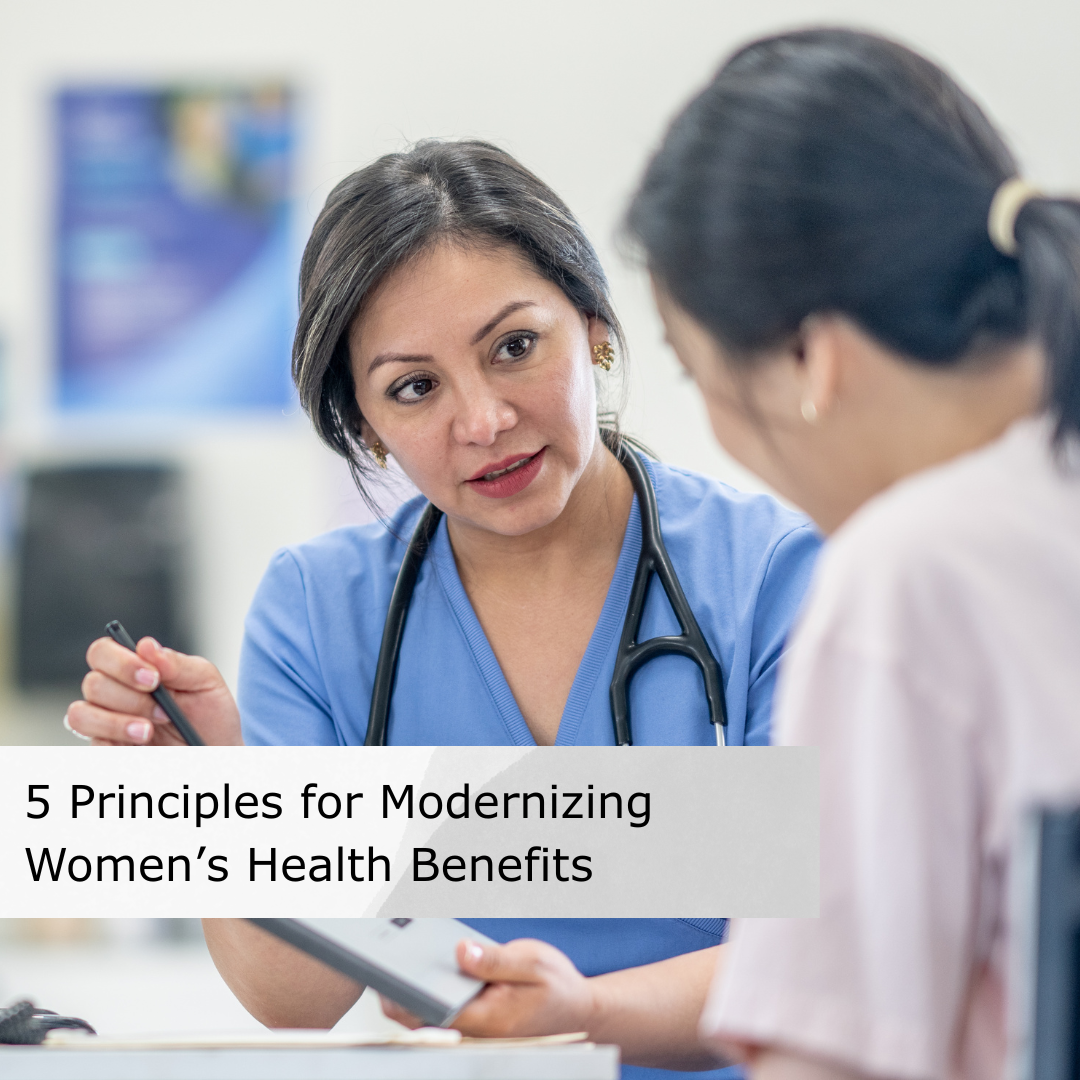

5 Principles for Modernizing Women’s Health Benefits
As the modern workforce evolves, employer-sponsored benefits must adapt to meet changing demographic demands. Women comprise nearly half of the U.S. workforce and are its primary consumers of healthcare services. Today, standard health coverage is shifting away from a pregnancy-only lens to an inclusive, whole-life framework. The Evolution to Whole-Life Care Historically, corporate maternal care…


AI Chatbots in HR: What Employers Need to Know
Artificial intelligence (AI) tools like ChatGPT are transforming the workplace, helping organizations improve efficiency, streamline workflows and enhance the employee experience. In HR, AI can assist with tasks such as drafting job descriptions, screening applicants, supporting onboarding and answering routine employee questions. While these tools can save time and improve productivity, they also introduce legal,…
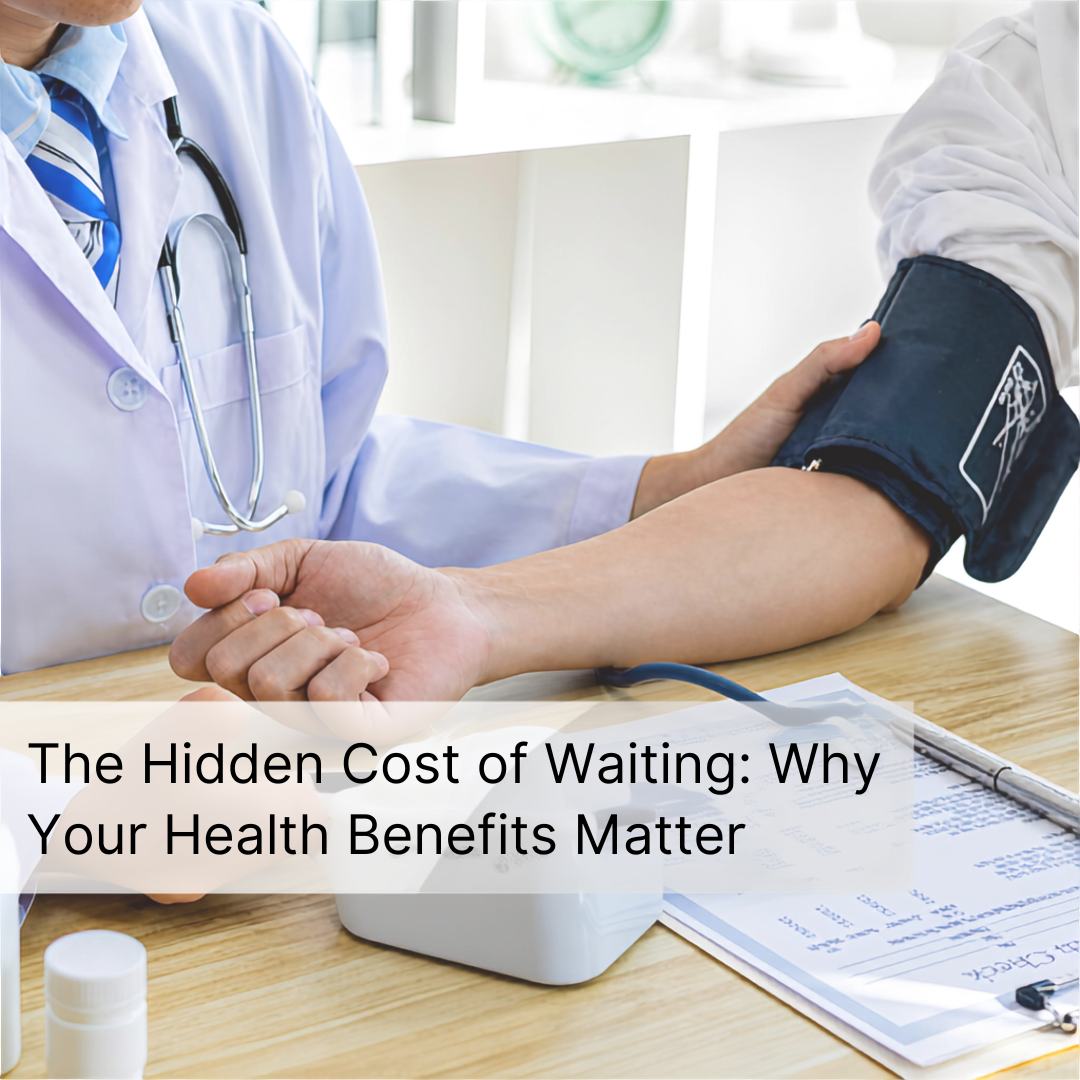
The Hidden Cost of Waiting: Why Your Health Benefits Matter
Many people put off seeking medical care, even when they recognize that something doesn’t feel right. Busy schedules, financial concerns, fear of receiving bad news, and the hope that symptoms will simply go away often lead to delays that can allow health problems to worsen. While postponing care may seem like the easier choice in…


Workplace Strategies for Supporting the Sandwich Generation
In today’s workforce, a significant number of experienced employees are working a second job that never appears on a timesheet: caregiving. This places them in the “sandwich generation,” a group of middle-aged adults tasked with simultaneously caring for their aging parents and their own children. This isn’t a specific age cohort like the Baby Boomers,…
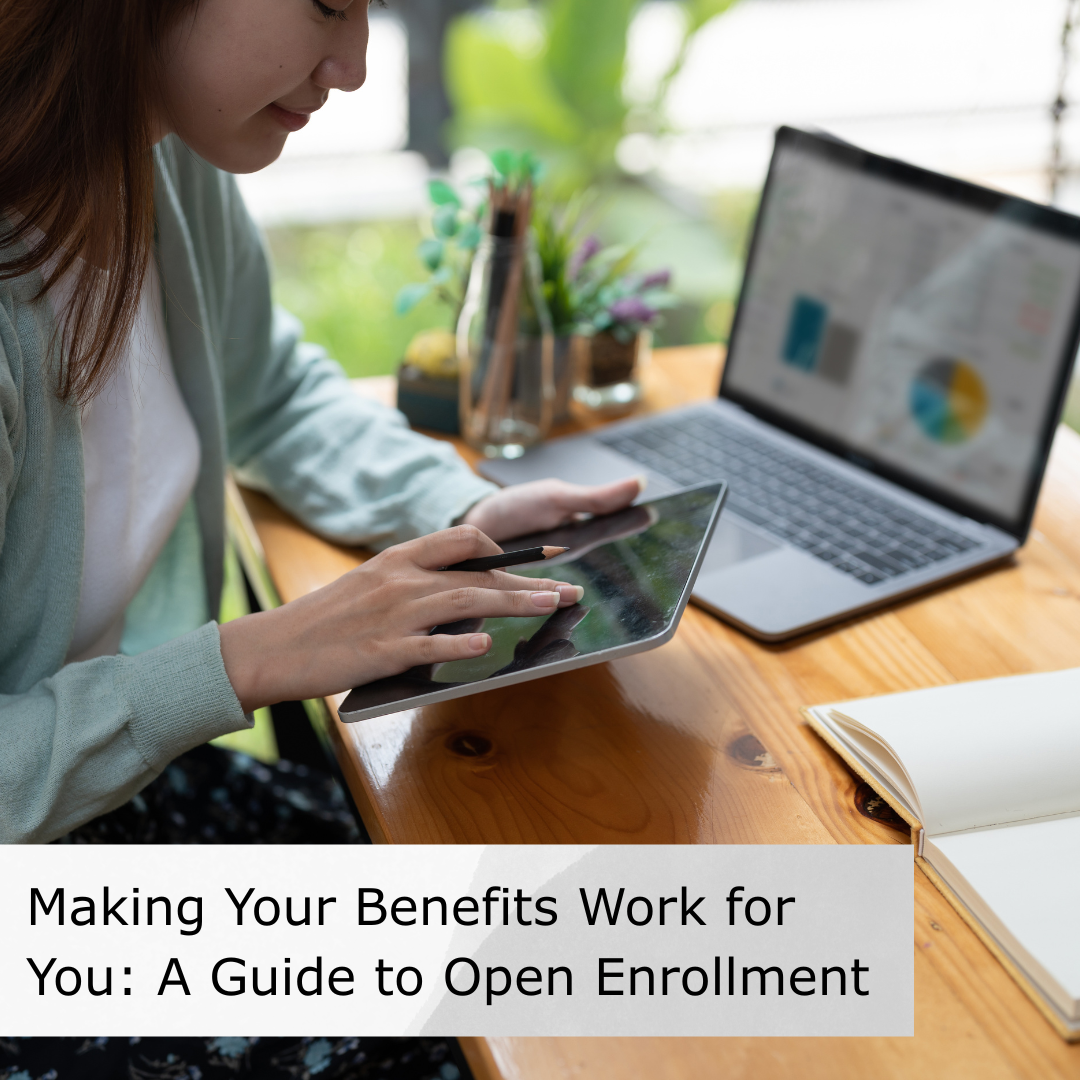
Making Your Benefits Work for You: A Guide to Open Enrollment
Open enrollment is more than just a checkbox on your to-do list. It’s your annual opportunity to design a financial and health safety net that fits your life. Because your needs today might be different than they were a year ago, we want to make sure you have the tools to choose wisely.
HSA and HDHP Limits for 2027
On May 29, 2026, the IRS issued Revenue Procedure 2026-24, which sets the inflation-adjusted limits for health savings accounts (HSAs) and high deductible health plans (HDHPs) for 2027. The updated limits address: Each of these limits differs depending on whether the coverage is for an individual or a family under an HDHP.


Human Sustainability and HR: Protecting People, Driving Performance
Exhausted employees do not innovate, and burned-out managers cannot build strong, thriving cultures. For nearly a decade, corporate wellness has been siloed into superficial initiatives: wellness apps, awareness weeks, or reactive crisis counseling. Human sustainability recognizes that employee health, energy, resilience, and mental capacity are finite resources. Like any organizational asset, these can either be supported…

Mastering Your Meds: A Guide to Reading Prescription Labels
Taking prescription medication is a common part of modern life. In fact, more than 131 million American adults take at least one prescription regularly. As we age, managing these medications becomes a vital part of staying healthy. While healthy habits and doctor visits are key, taking your medication correctly is just as important. Your pharmacist…
From Planning to Post-Game: Your Complete Open Enrollment Checklist
A successful open enrollment starts long before the first form is signed. By reviewing and tailoring your benefits now, you can create a rewarding experience that truly enhances your employees’ overall health and financial security. Here are several key steps to help you prepare for your best enrollment period yet. Plan and Prepare Early (8–12…